
The community of San Francisco de Yojoa
San Francisco de Yojoa is a small, rural municipality located in the northern region of Honduras, the second poorest country in Latin America. Many families call San Francisco de Yojoa home.


The municipality of San Francisco de Yojoa has 24,000+ citizens.
San Francisco de Yojoa is in the department of Cortés and has over 24,000 citizens. It is located in Honduras about 82 mi (or 132 km) north-west of Tegucigalpa, the country's capital city.
San Francisco de Yojoa was originally known as the village of "Ojo de Agua (The Eye of the Water)". In February 1887, the village was declared a municipality, and is a town that has been spiritually guided by the Christian practices and principles of its Patron Saint, San Francisco of Assisi. Its political division consists of 9 Villages and 59 hamlets.


Educational resources are scarce in San Francisco de Yojoa.
Accessibility to schools for children living in rural areas, like San Francisco de Yojoa, is very limited. Those who are able to attend struggle to get the educational material needed because their parents are unable to provide them with these materials due to cost and availability.
Unfortunately, the government provides only limited resources to help the needs of the schools. There is a Kindergarten, Elementary School and High School in San Francisco de Yojoa.
There is only one health care center in San Francisco de Yojoa.
The health care system in San Francisco de Yojoa is limited to only one health center, the Rigoberto Madrid Health Clinic, which also lacks a proper building, trained medical staff, necessary equipment, and supplies to provide good health care to their community.
The Rigoberto Madrid Health Clinic provides all health care, including dental work, for families and children. The improvement of the health center is an important pillar in the well being of the citizens in San Francisco de Yojoa.

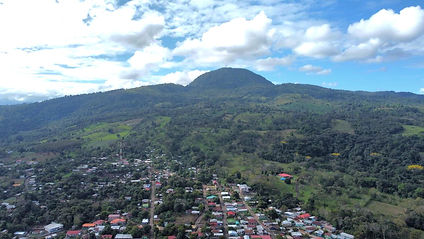
San Francisco de Yojoa, Honduras, the second poorest country in Latin America.
Honduras is a small country located in Central America, with a population of over 9 million people, where approximately 48% of its population live below the poverty line. The most affected population in the poverty line are in the rural areas.
Honduras is considered the second poorest country in Latin America. Their medical, health care, and education in Honduras is inadequate and has become a major problem throughout the country.


